

Introduction
Backpacks serve a wide range of carrying needs, from daily commuting and shopping to short trips and business travel. As users' storage requirements vary across different activities, backpack designs have evolved to offer different approaches to capacity and organization. Standard backpacks generally provide a fixed amount of storage, while expandable backpacks allow users to increase available space when carrying additional belongings. This difference affects not only storage flexibility but also product structure, functionality, and suitability for different uses. For wholesalers and retailers, understanding these distinctions provides a useful basis for evaluating product features, customer demand, and assortment planning.
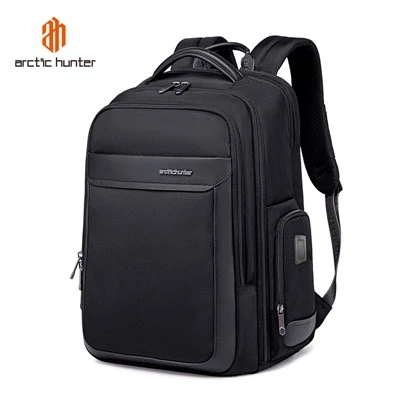
What Defines an Expandable Backpack and a Standard Backpack?
The main distinction between these two categories lies in whether their storage capacity can be adjusted according to different carrying requirements.
Expandable Backpacks
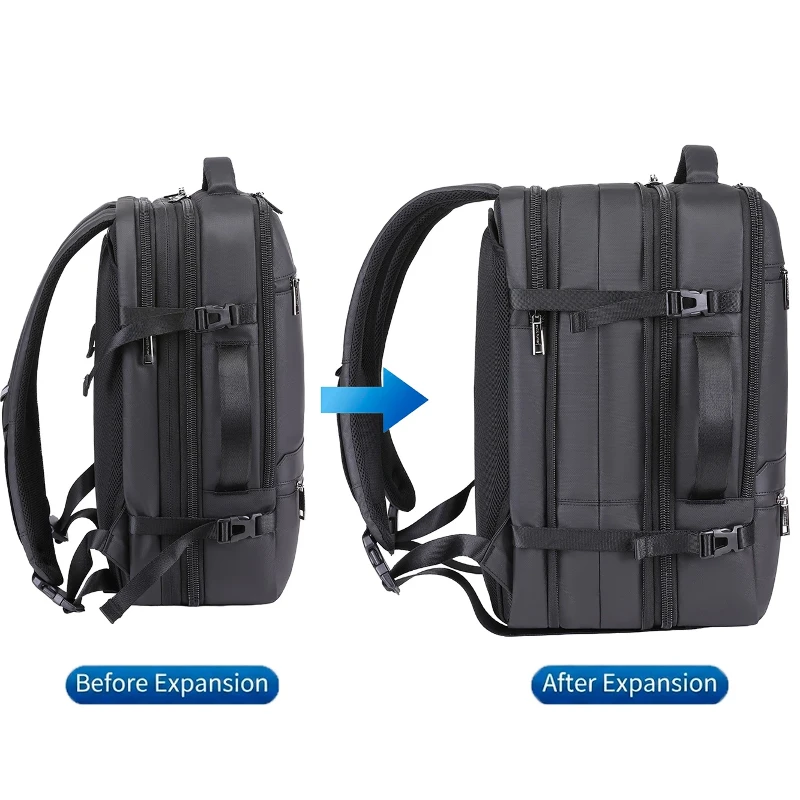
Expandable backpacks use expansion zippers or adjustable structures to increase their available storage space. When less storage is needed, they can maintain a relatively compact profile; when users need to carry more belongings, the expanded section provides additional room. Some models also combine multi-compartment layouts, laptop protection, clothing storage, and travel accessories to accommodate both daily commuting and short trips.
Standard Backpacks
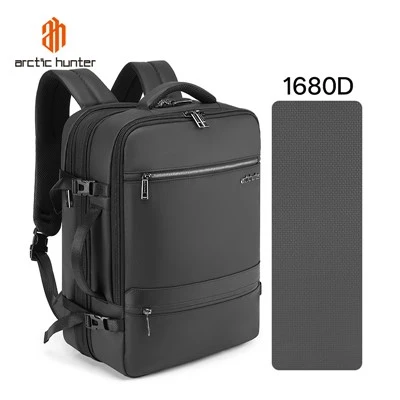
Standard backpacks generally feature a fixed capacity and a relatively stable main compartment structure. Their internal space is arranged around regular storage requirements, without the need for an expansion section to adjust volume. This straightforward design is suitable for users with more consistent carrying needs, such as daily commuters, students, and people who carry a predictable set of everyday essentials.
Expandable Backpack vs Standard Backpack: What Are the Key Differences?
From capacity adjustment to internal storage, the two types of backpacks differ in several aspects of product design and functionality.
|
Comparison Dimension |
Expandable Backpack |
Standard Backpack |
Stocking Consideration |
|
Storage Capacity |
Capacity can be increased through an expansion zipper or adjustable structure. |
Usually maintains a fixed storage capacity. |
Consider whether customers need adjustable storage space. |
|
Packing Flexibility |
Accommodates changing loads for daily use, commuting, and travel. |
Suits users with relatively consistent carrying requirements. |
Evaluate how frequently customers need additional packing space. |
|
Internal Organization |
May combine laptop compartments, clothing storage, and multiple accessory pockets. |
Storage layout is generally designed around regular everyday essentials. |
Compare compartment configurations and their practical uses. |
|
Overall Structure |
Includes additional expansion sections and zipper construction. |
Usually has a more straightforward compartment structure. |
Consider structural complexity and product positioning. |
|
Travel Convenience |
Often integrates luggage straps, expandable storage, and travel-oriented compartments. |
Travel features depend on the individual model and are not necessarily included. |
Identify which travel functions are relevant to the target market. |
|
Carrying Comfort |
May include breathable back panels, padded straps, and adjustable carrying configurations. |
Comfort features vary according to size, materials, and construction. |
Compare the carrying system and product weight. |
|
Typical Applications |
Suitable for users with changing storage needs, including commuting and short trips. |
Suitable for routine daily carrying and more predictable storage needs. |
Match product configurations with customer usage habits. |
What Product Features Make an Expandable Backpack More Functional?
Beyond additional capacity, the value of an expandable backpack depends on how its storage structure and functional details work together.
Zipper-Based Capacity Expansion
The expansion zipper allows users to adjust the available storage space according to the amount of belongings they carry. This design is particularly useful when daily commuting and short trips require different packing capacities. For example, expandable models may offer capacity ranges such as 20–35L or 30–45L, providing more flexibility than a single fixed-volume configuration.
Multi-Compartment Storage for Different Belongings
An expandable design becomes more practical when additional space is supported by a well-organized interior. Independent laptop compartments, front organizer sections, and separate clothing storage help users keep electronic devices, documents, accessories, and personal belongings apart. Some travel-oriented configurations also include mesh dividers and toiletry pouches to make packing more organized.
Travel-Oriented Carrying and Functional Details
Features such as rear luggage straps allow a backpack to attach to a suitcase handle, reducing the need to carry it separately during transit. Some models also incorporate hideaway shoulder straps, card pockets on the shoulder straps, glasses holders, and USB ports. These details serve different travel and commuting needs, making the overall configuration more versatile.
Durable Materials and Carrying Comfort
Expandable backpacks need to maintain their structure while accommodating different storage volumes. Polyester fabric with a water-resistant finish, reinforced stitching, and edge binding can support regular use and help protect belongings from light rain and splashes. Breathable mesh back panels and padded shoulder straps also contribute to carrying comfort, particularly when the backpack is loaded with heavier items.
Which Backpack Type Should Buyers Stock for Different Customer Needs?
A suitable product assortment should account for differences in customer usage habits, storage requirements, and preferred price ranges.
- Identify Target Customers and Sales Channels: Determine whether your customers primarily include commuters, students, business travelers, or short-trip users. Different customer groups may place different levels of importance on adjustable capacity and travel-related features.
- Match Capacity with Carrying Requirements: Consider the volume of belongings customers typically carry and whether their storage needs change between daily use and travel. Expandable models may suit users who need additional space occasionally, while fixed-capacity backpacks can serve more predictable daily routines.
- Evaluate Functional Requirements: Compare the value of features such as laptop protection, clothing compartments, luggage straps, and USB ports. Additional functions should address identifiable usage needs rather than simply increase the number of product features.
- Consider Product Weight and Structure: Expansion sections and additional compartments can affect a backpack's overall construction and empty weight. Compare these factors alongside usable capacity to understand the balance between storage flexibility and carrying convenience.
- Build a Differentiated Product Range: Standard and expandable backpacks can serve different positions within the same assortment. Offering different capacities and functional configurations helps cover varied customer needs while reducing overlap between similar products.
Conclusion
Expandable backpacks provide adjustable storage capacity and can accommodate changing carrying needs, while standard backpacks offer a more straightforward solution for users with consistent daily storage requirements. The choice between them depends on capacity preferences, internal organization, travel frequency, and the balance between functionality and carrying convenience. For wholesalers and retailers, understanding these differences can help create a product range that serves both everyday and travel-oriented markets. Arctic Hunter develops expandable backpack designs with different capacity ranges and functional configurations. Contact us to explore its expandable backpack collection and discuss suitable product options for your target market.