

Introduction
The global backpack market has evolved far beyond basic utility bags into a diverse category of functional carry solutions. For commercial buyers, inventory managers, and procurement professionals, understanding the structural differences and design standards of modern backpacks is essential for making informed sourcing decisions. This comprehensive guide provides an objective industry overview of the primary backpack categories.
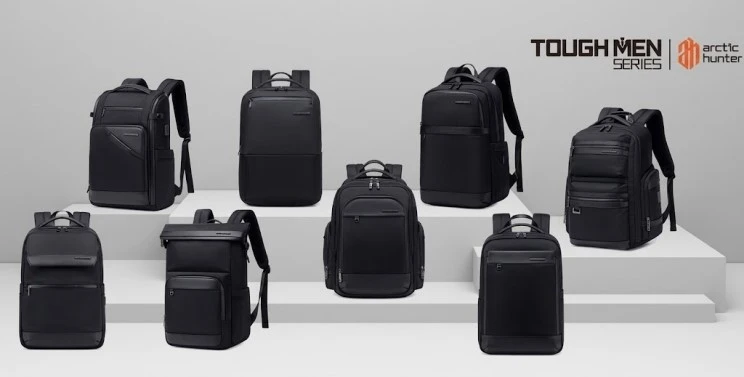
What Are the Main Types of Backpacks?
Different consumer lifestyles and daily routines demand specialized structural designs and functional layouts. Below are the six primary backpack categories widely recognized across the global bag and luggage industry.
Laptop Backpacks
Designed for modern digital professionals and students, laptop backpacks prioritize device protection and organized storage. Their defining feature is a dedicated, heavily padded laptop compartment-often engineered with a suspended floor to prevent direct impact when the bag is placed on hard surfaces. Paired with multi-tiered organizer pockets for power adapters, cables, and external drives.
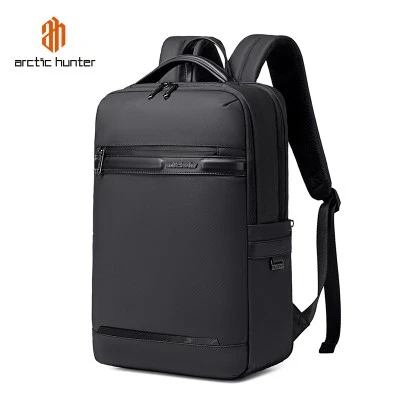
Business Backpacks
Built for corporate settings and executive travel, business backpacks emphasize a clean silhouette, durable materials, and a professional aesthetic. These models feature reinforced paneling to maintain a structured shape whether full or empty. The interior layout prioritizes document organization, dedicated tablet storage.
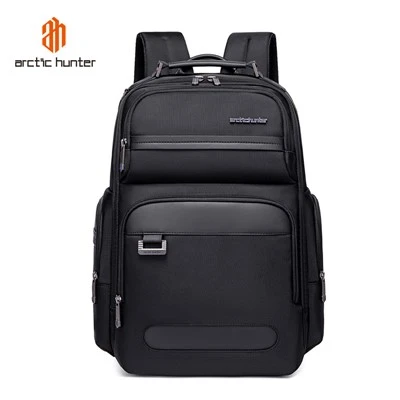
Multi-Functional Backpacks
Multi-functional backpacks bridge the gap between daily commuting, outdoor activities, and short-distance travel through adaptable design. They frequently feature expandable main compartments with expansion zippers, allowing users to adjust storage volume as needed.
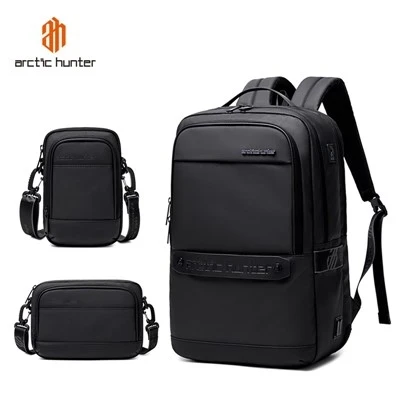
Casual Backpacks
Prioritizing lightweight construction and daily utility, casual backpacks serve broad consumer segments, including students and weekend travelers. These bags focus on straightforward panel construction to minimize overall bag weight while offering spacious main compartments, quick-access front pockets.
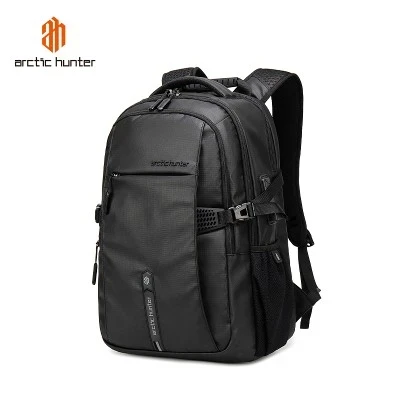
Camera Backpacks
Camera backpacks are specialized transport solutions designed for photographers, videographers, and drone operators who require maximum gear protection. The chassis features reinforced outer walls to cushion optical equipment against external pressure. Inside, a customizable system of padded, movable dividers allows users to tailor individual protection cells for camera bodies, lenses.
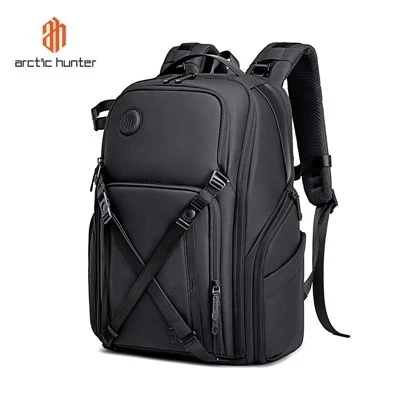
Anti-Theft Backpacks
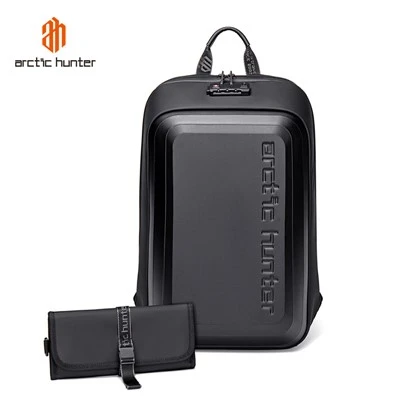
Engineered for high-density public transit and international travel, anti-theft backpacks incorporate passive and active security elements. Primary access zippers are concealed beneath protective fabric flaps or positioned flush against the user's back to prevent unauthorized access. Additional security features often include slash-resistant panel linings, hidden back pockets, and integrated combination lock mechanisms.
What Are the Key Differences Between Different Types of Backpacks?
Understanding the technical distinctions across product categories helps buyers evaluate capacity, structural complexity, and target application. The comparison matrix below outlines the defining specifications for each backpack category.
|
Backpack Category |
Primary Target Audience |
Capacity Range |
Core Distinguishing Features |
Ideal Use Case |
|
Laptop Backpacks |
Professionals, students, tech users |
15L – 25L |
Suspended padded laptop sleeve, peripheral organizer panel, impact protection |
Daily city commute, campus life |
|
Business Backpacks |
Corporate executives, business travelers |
16L – 26L |
Structured professional profile, document filing layout, luggage trolley strap |
Office environments, business travel |
|
Multi-Functional |
Active commuters, short-trip travelers |
20L – 35L |
Expandable volume capacity, wet/dry separation layout, versatile pocket setup |
Mixed daily routines, weekend travel |
|
Casual Backpacks |
Students, daily city travelers |
15L – 22L |
Lightweight single-wall build, simplified pocket structure, spacious interior |
Daily campus use, casual outings |
|
Camera Backpacks |
Photographers, media creators, drone operators |
18L – 30L |
Reinforced shell walls, customizable padded dividers, tripod attachment system |
Outdoor photography shoots, media gear transport |
|
Anti-Theft |
Public transit commuters, urban travelers |
18L – 25L |
Hidden rear-facing zipper tracks, slash-resistant panels, lockable compartments |
Crowded subway commutes, international travel |
What Features Distinguish Different Types of Backpacks?
Beyond general category designs, specific structural components, material choices, and hardware integrations determine a product's overall performance, durability, and user comfort. The following six core features serve as key indicators of product differentiation and quality.

Exterior Fabric Protection
The choice of exterior fabric directly determines a backpack's abrasion resistance and weather protection. Premium modern backpacks utilize high-density woven polyester or nylon fabrics treated with water-repellent surface finishes. This surface treatment causes rain droplets to slide off effortlessly, shielding internal electronics, power accessories, and paper documents from unexpected weather and daily wear.
Ergonomic Back Panels
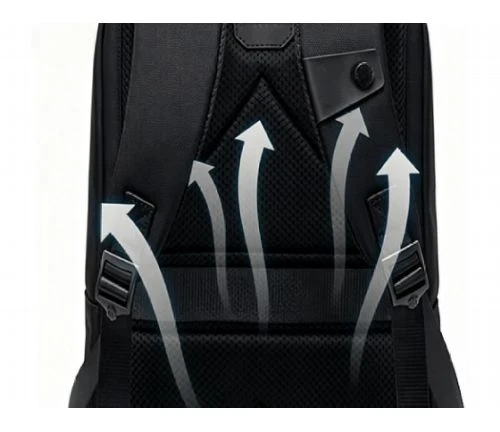
Effective shoulder strap and back panel engineering is crucial for user comfort during extended carrying. Quality backpacks feature 3D breathable mesh padding on the back panel to facilitate continuous airflow and reduce heat build-up. Ergonomically contoured, S-shaped shoulder straps work in tandem with adjustable chest buckles to distribute pack weight evenly across the shoulders and chest, minimizing muscular strain during long commutes.
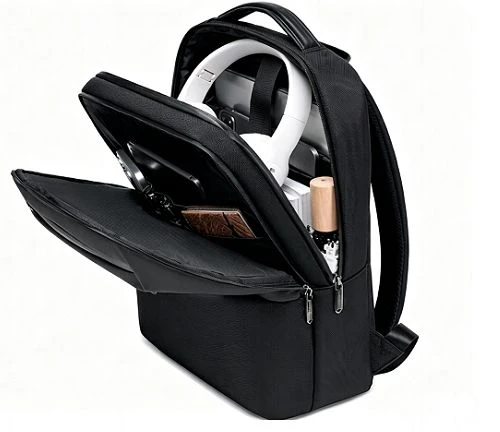
Internal Storage Layout
A backpack's functional value relies heavily on how efficiently it organizes internal space. Advanced interior layouts include suspended tech cradles, dedicated tablet slots, fleece-lined protective pockets for delicate optics, and high-contrast linings that improve visibility inside dark compartments. Specialized models also incorporate waterproof TPU wet/dry separation pockets to keep damp items or toiletries isolated from electronic gear.
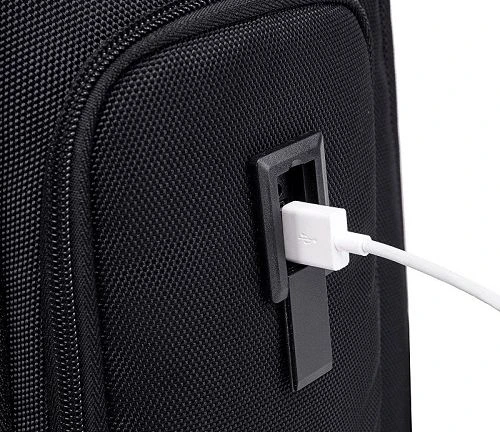
Smooth Custom Metal Pullers
Modern backpacks increasingly incorporate external tech integration to support digital devices on the move. Built-in USB and Type-C pass-through charging ports allow users to connect an internal power bank stored inside a dedicated pocket to their smartphone or tablet externally. This eliminates the need to hold a power bank or open main compartments while walking through airports or transit stations.
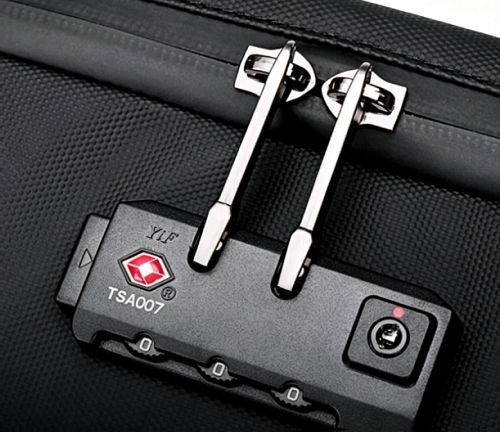
Security Features
Security features vary widely depending on a backpack's target application. High-security designs integrate concealed zipper tracks hidden against the wearer's back panel, slash-resistant material underlayers, and TSA-approved combination locks. Additionally, integrated RFID-blocking hidden pockets protect digital passport data and contactless credit cards from unauthorized electronic skimming in crowded environments.
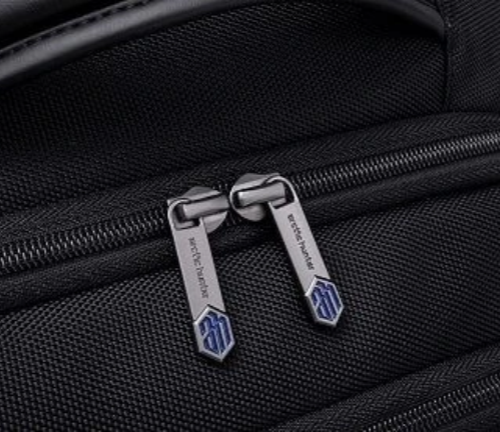
Component Hardware
The overall operational lifespan of a backpack relies heavily on hardware quality and seam construction standards. High-grade zipper tracks, smooth custom metal pullers, reinforced bartack stitching at high-stress load points (such as top handle joins and shoulder strap connections), and durable polymer buckles ensure that the bag withstands heavy daily loads without mechanical failure.
How to Choose the Right Types of Backpacks for Your Market?
Selecting the optimal product lineup requires balancing market positioning, functional utility, and manufacturing standards. Procurement managers and commercial buyers should systematically evaluate the following key selection criteria:
- Analyze Target Demographics and Usage Scenarios: Determine whether your target market prioritizes specialized digital device protection, formal executive aesthetics, flexible travel capacity, or lightweight everyday value.
- Verify Laptop Sleeve Sizing and Protection Standards: Ensure internal padded compartments accommodate standard device dimensions, specifically checking fit for 14-inch, 15.6-inch, and 17.3-inch laptop models.
- Evaluate Fabric Quality and Water Resistance: Select durable, water-repellent fabrics and solid construction methods to reduce defect rates and extend product service life.
- Inspect Ergonomic Support and Carrying Comfort: Check for breathable mesh back paneling and load-distributing shoulder straps, as carrying comfort remains a top priority for modern consumers.
- Balance Feature Integration with Market Pricing: Match functional features-such as security locks, expandable compartments, and internal organization-with your target retail price bracket to ensure high competitive value.
Conclusion
Selecting the right backpack category requires balancing fabric durability, ergonomic comfort, interior organization, and hardware quality against the specific demands of your target users. Whether sourcing inventory for corporate professionals, business travelers, or everyday urban commuters, focusing on functional design and reliable construction ensures long-term customer satisfaction. Contact us today to explore the complete Arctic Hunter backpack collection and select the ideal carry solutions tailored for your market's needs.