

Introduction
Choosing the right backpack manufacturer for your business takes more than comparing prices. You need a supplier that can deliver consistent product quality, offer products suited to your target market, meet delivery schedules, and support your ongoing business needs. So, how can you tell whether a backpack manufacturer is the right fit for your business? Before making a decision, look beyond the initial quote and consider factors such as product range, development capabilities, quality control, production capacity, lead times, and order terms.
In this guide, we'll walk you through the key factors to consider when choosing a reliable backpack manufacturer, helping you evaluate potential partners, make more informed sourcing decisions, and build a partnership that supports your business in the long run.
Understand Your Product and Business Needs
Before choosing a backpack manufacturer, define your target market, product requirements, and purchasing priorities. These factors will help you identify suitable suppliers and compare their offerings against your business needs.
Define Your Target Market and
Customer Needs
Identify your target customers and the sales channels you serve. Business professionals and commuters may prioritize laptop protection and organized storage, while travelers may value larger capacity and carrying comfort. Understanding these preferences will help you determine which product features matter most to your customers and which market segments your backpack range needs to serve.
Choose the Right Backpack Types
and Features
Determine which backpack types best fit your business, such as business backpacks, laptop backpacks, or travel backpacks. Then define your requirements for materials, sizes, designs, and functional features based on your target customers and price positioning. If you plan to develop your own brand, outline your initial design and customization needs before approaching potential suppliers.
Set Your Budget, Order Volume, and
Delivery Requirements
Estimate your initial order volume, target unit price, and required delivery schedule. When comparing backpack manufacturers, check their minimum order quantities (MOQs), pricing, stock availability, and lead times to determine whether their terms fit your purchasing plans. Also consider future replenishment. If you expect ongoing demand, consistent product availability and reliable restocking can be just as important as the initial unit price.
Evaluate the Manufacturer's Product Range and Expertise
Once you have defined your requirements, assess whether a supplier has the right product portfolio and expertise to support your business. Look beyond catalog size to determine whether its products, experience, and development services align with your sourcing or brand-building plans.
Check Whether the Product Range Fits Your Business
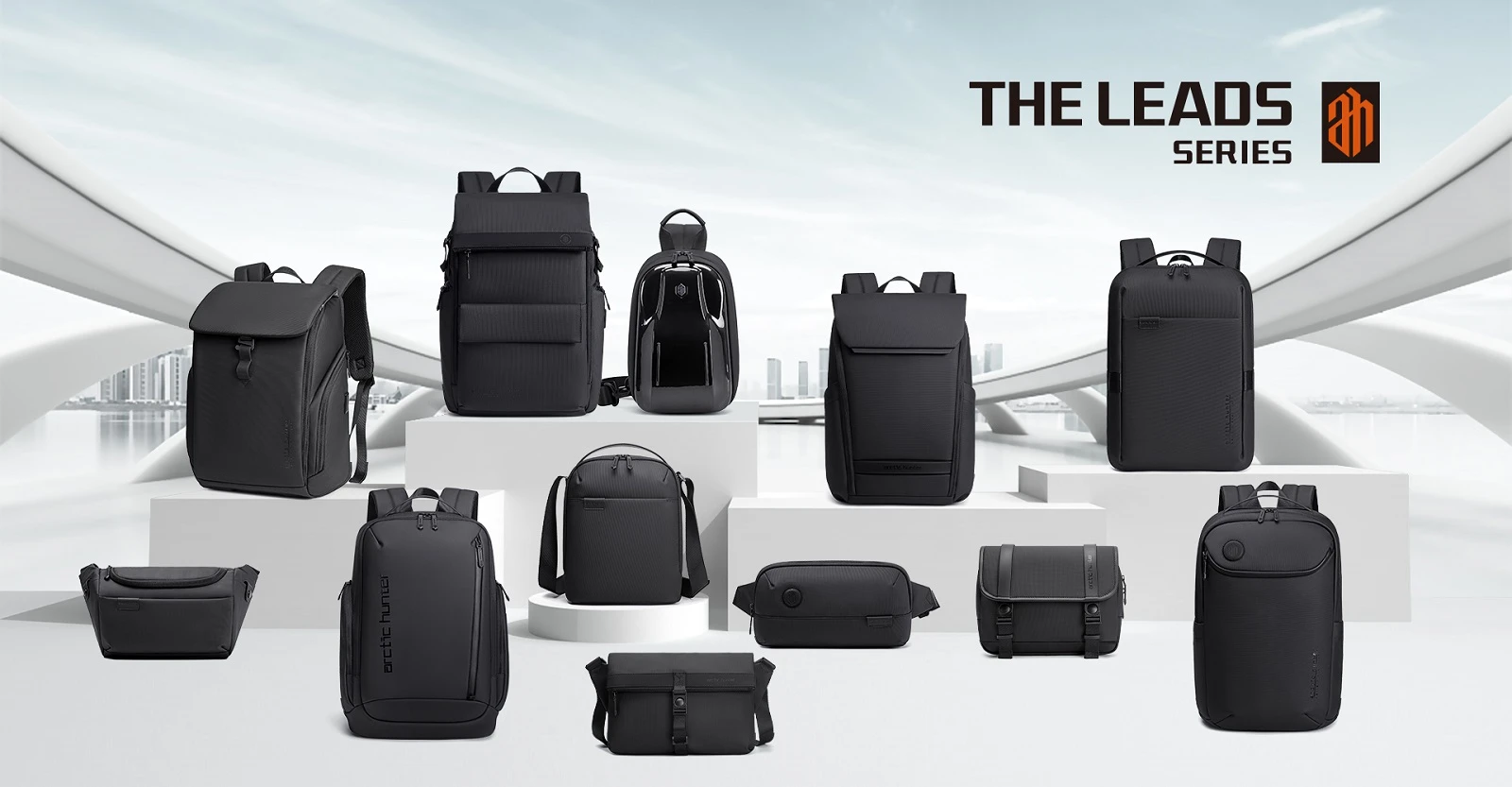
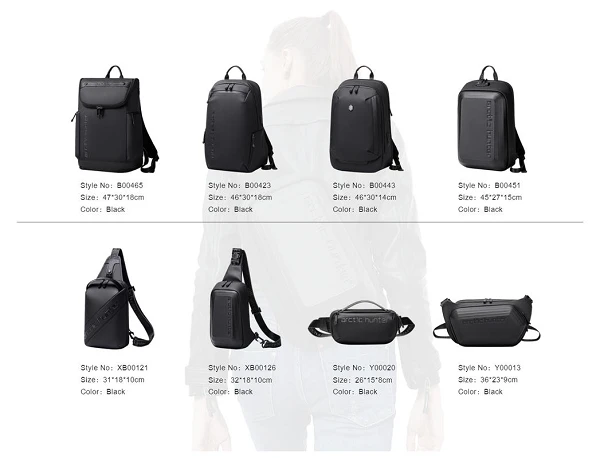
Review the backpack Manufacturer's existing product categories and styles to see whether they cover the segments you intend to serve. If you plan to expand your offering over time, consider whether the supplier also carries related products, such as travel bags and luggage. A relevant product range gives you more suitable options to evaluate and may make it easier to expand your assortment as your business grows.
Assess Relevant Product Experience
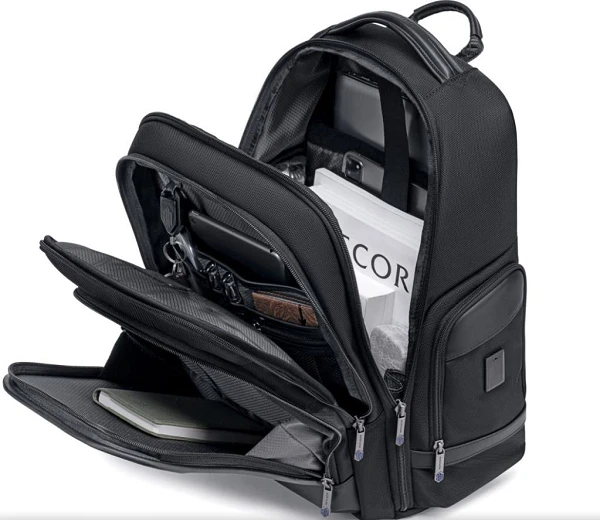
Look for evidence that the backpack manufacturer understands the requirements of the products you intend to sell. Review product specifications, construction details, functional features, and available samples to assess how well the products meet their intended use. Where possible, evaluate samples against your requirements for materials, storage layout, usability, and overall construction. Clear product documentation and informed answers to technical questions can also help you assess the supplier's product knowledge.
Confirm OEM/ODM and Customization Capabilities
If you plan to resell an established brand's products, confirm that the backpack supplier's available product range and supply arrangements suit your business model.
For private-label or own-brand projects, check which OEM/ODM services the backpack manufacturer actually offers. Depending on the supplier, these may include logo application, color and material selection, functional modifications, structural changes, and custom packaging.
Clarify the scope of customization, development process, design requirements, and any applicable order quantities before proceeding. If you already have a design, confirm whether the supplier can work to your specifications. If you are adapting an existing style, establish which modifications are feasible.
The goal is to find a wholesale backpack supplier whose product capabilities match your current requirements and can support your planned product development.
Check Product Quality and Quality Control
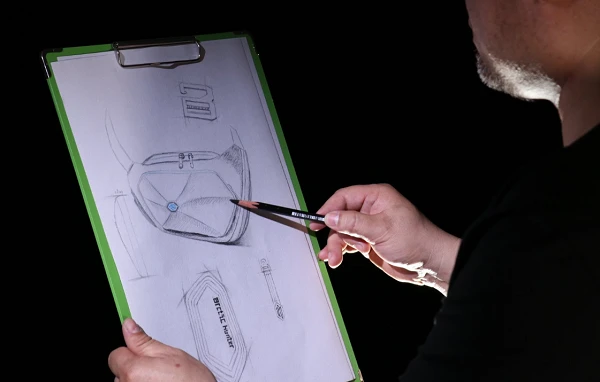
A backpack sample alone cannot guarantee consistent quality in bulk production. Effective backpack quality control involves clear quality standards, in-process inspections, and final product checks to ensure products meet agreed requirements.
Clarify Quality Standards
Before placing an order, agree on the quality standards, product specifications, and acceptance criteria with the manufacturer. This helps ensure that both parties have a clear understanding of the expected product quality.
For backpacks, pay particular attention to:
- Materials and Trims: Ensure fabrics, linings, webbing, zippers, and buckles match the agreed specifications and approved samples.
- Stitching and Construction: Check seam consistency and the reinforcement of load-bearing areas, such as shoulder straps and handles.
- Dimensions and Appearance: Verify product dimensions, colors, logo placement, pocket layout, and overall appearance against approved samples and specifications.
- Functionality: Ensure zippers, buckles, adjustable straps, and compartments work as intended.
Before bulk production, approve a reference sample and document key specifications and acceptance criteria. For customized backpacks, clearly define materials, colors, branding, and structural details to minimize production deviations and unapproved changes.
Quality Control During Production
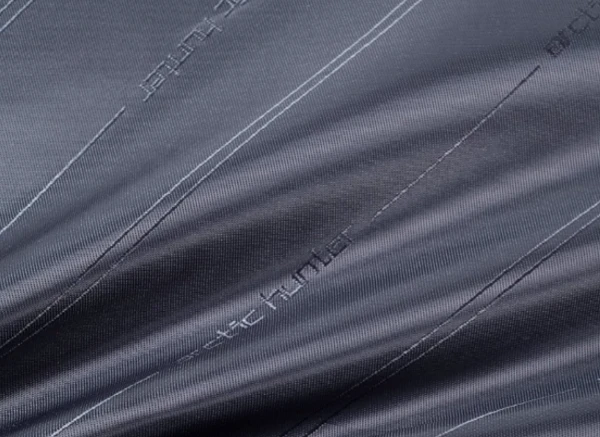
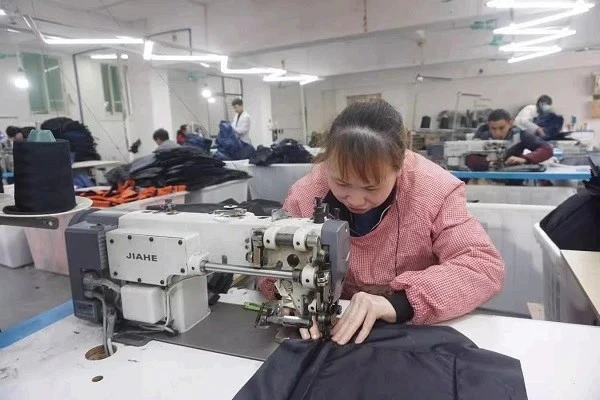
A reliable backpack manufacturer should inspect quality at key production stages, rather than relying solely on final inspection.
Key checkpoints include:
- Incoming Materials: Check fabrics, linings, webbing, zippers, and buckles against approved specifications.
- Production Processes: Inspect cutting, sewing, zipper installation, and strap attachment to identify defects before they affect more units.
- Defect Handling: Understand how non-conforming materials or products are identified, corrected, and documented to prevent recurring issues.
Ask how these checks are carried out and how quality issues are handled. Documented procedures and inspection records provide a clearer picture of the manufacturer's quality control practices than simply having dedicated QC personnel.
Final Inspection and Quality Records
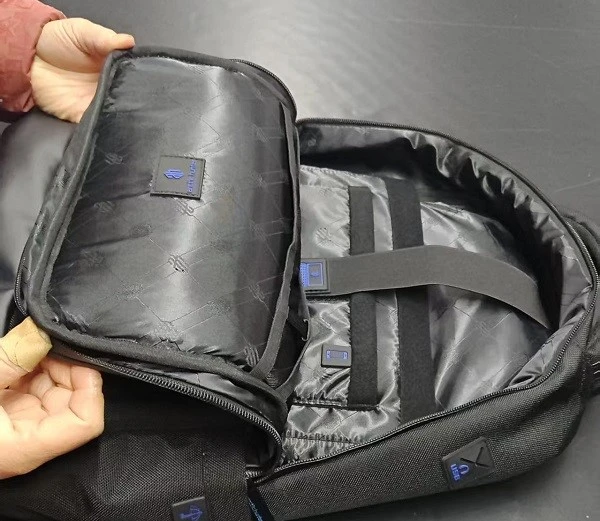
Before shipment, finished backpacks should be inspected against the approved sample and agreed specifications. Ask the manufacturer about its inspection scope, sampling method, defect classification, and procedures for handling non-conforming products.
Typical checks include:
- Appearance, dimensions, colors, and logo placement
- Stitching, zippers, buckles, handles, and shoulder strap attachments
- Consistency with approved samples and product specifications
- Packaging, labels, quantities, and carton markings
- Functional tests specified for the product
For bulk orders, request inspection records or reports where available. If independent verification is needed, arrange a third-party pre-shipment inspection and agree on the inspection scope and acceptance criteria in advance.
If an AQL (Acceptance Quality Limit) sampling plan is used, agree on the applicable standard, inspection level, and defect classification before production or inspection. AQL supports batch acceptance decisions based on sampling; it does not guarantee that every unit is defect-free.
Assess Production Capacity and Lead Times
Choosing a backpack manufacturer involves more than finding the right products. You also need to ensure the manufacturer can handle your order volume and meet your delivery schedule. Order quantities, product complexity, material availability, and existing production commitments can all affect lead times.
Assess Production Capacity
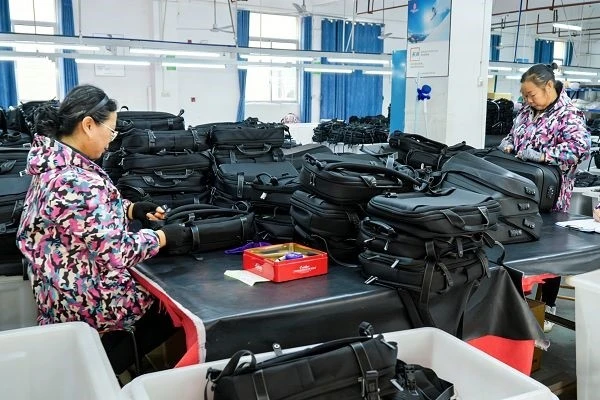
Evaluate whether the backpack manufacturer can handle your current order volume and future replenishment needs. Consider its product range, production setup, current workload, and ability to manage orders of different sizes.
If your order includes multiple styles, colors, or sizes, check whether the manufacturer can coordinate production across these variations. For ongoing orders, ask how repeat orders and replenishment are managed to maintain a reliable supply.
Rather than relying solely on stated maximum capacity, assess whether the wholesale backpack supplier has sufficient production resources available to meet your order quantity and required delivery date.
Understand Production Lead Times
When comparing lead times, clarify when the production period begins and which stages it covers. For new backpack designs, the process may include sample development and approval, material sourcing, bulk production, final inspection, and packaging. Custom fabrics, trims, branding, or structural modifications can extend development and preparation time. Repeat orders with approved specifications and readily available materials may be scheduled more efficiently. Before placing an order, request an estimated timeline for each key stage and identify any approvals or information needed from your side. This helps prevent avoidable delays and supports more accurate purchasing and launch planning.
Confirm Delivery Arrangements and Order Tracking
Beyond the production timeline, understand how the backpack manufacturer monitors order progress and communicates potential delays.
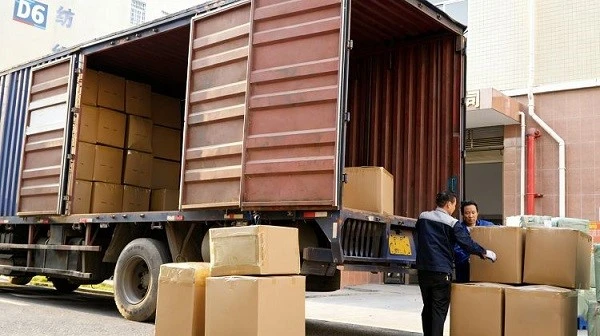
Agree on the expected completion date, shipping arrangements, progress updates, and procedures for handling material shortages or schedule changes. If your order is tied to a product launch, promotion, or seasonal sales period, establish key deadlines early and allow sufficient time for shipping and customs clearance.
Remember that production completion is not the same as final delivery. International transit, customs clearance, and local delivery can all affect when goods arrive. Build your delivery schedule around the agreed trade terms, shipping method, and destination.
Compare Pricing, Order Terms and Communication
Price is only one factor when choosing a backpack manufacturer. You also need to understand the full cost, clarify order terms, and assess how effectively the manufacturer communicates.
Compare Quotes and Total Costs
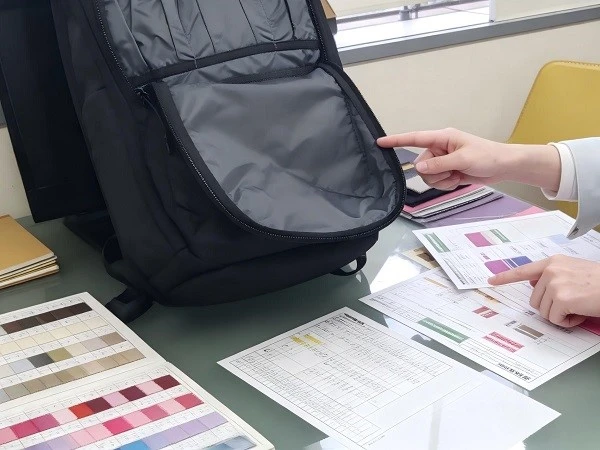
A lower unit price does not always mean better value. Differences in materials, hardware, branding, packaging, and shipping terms can affect the total cost. When comparing quotes, check what the unit price includes, whether samples or customization incur additional fees, and how pricing varies by order quantity. To make a fair comparison, request quotes based on the same product specifications, quantities, and trade terms.
Clarify Order Terms
Before placing an order, confirm the minimum order quantity (MOQ), sample fees, payment terms, and policies for order changes or cancellations. For private-label projects, clarify the handling and protection of design files and brand assets. Document all agreed terms in a quotation, purchase order, or contract before payment and production begin. Clear terms help prevent misunderstandings and disputes during the order process.
Evaluate Communication
Assess how clearly and promptly the manufacturer responds to your inquiries. During quotation and sample development, check whether key details-including product specifications, materials, branding, packaging, and delivery schedules-are confirmed accurately. A reliable backpack manufacturer should explain available options, flag potential issues early, and provide clear next steps when changes or problems arise. Effective communication helps minimize misunderstandings and keeps orders on track.
Choose a Partner That Fits Your Long-Term Goals
Choosing a backpack manufacturer means looking beyond your current order. Consider whether its product range, capabilities, and support can keep pace with your business as it grows.

Assess Business Fit
Evaluate whether the manufacturer's product range and services align with your target market, sales channels, and business model. Distributors and retailers may prioritize product availability and reliable replenishment, while private-label brands may need ongoing product development and customization support.
Evaluate Long-Term Support
Your needs may evolve as you expand your product range, adjust order volumes, or introduce new designs. Check whether the backpack manufacturer can accommodate these changes and support future product development and repeat orders.
Start with a Trial Order
Before committing to larger orders, consider testing the partnership through sample development or a small initial order. Evaluate product quality, order execution, and communication to determine whether the manufacturer is a suitable partner for ongoing cooperation.
Why Choose Arctic Hunter for Your Backpack Business?
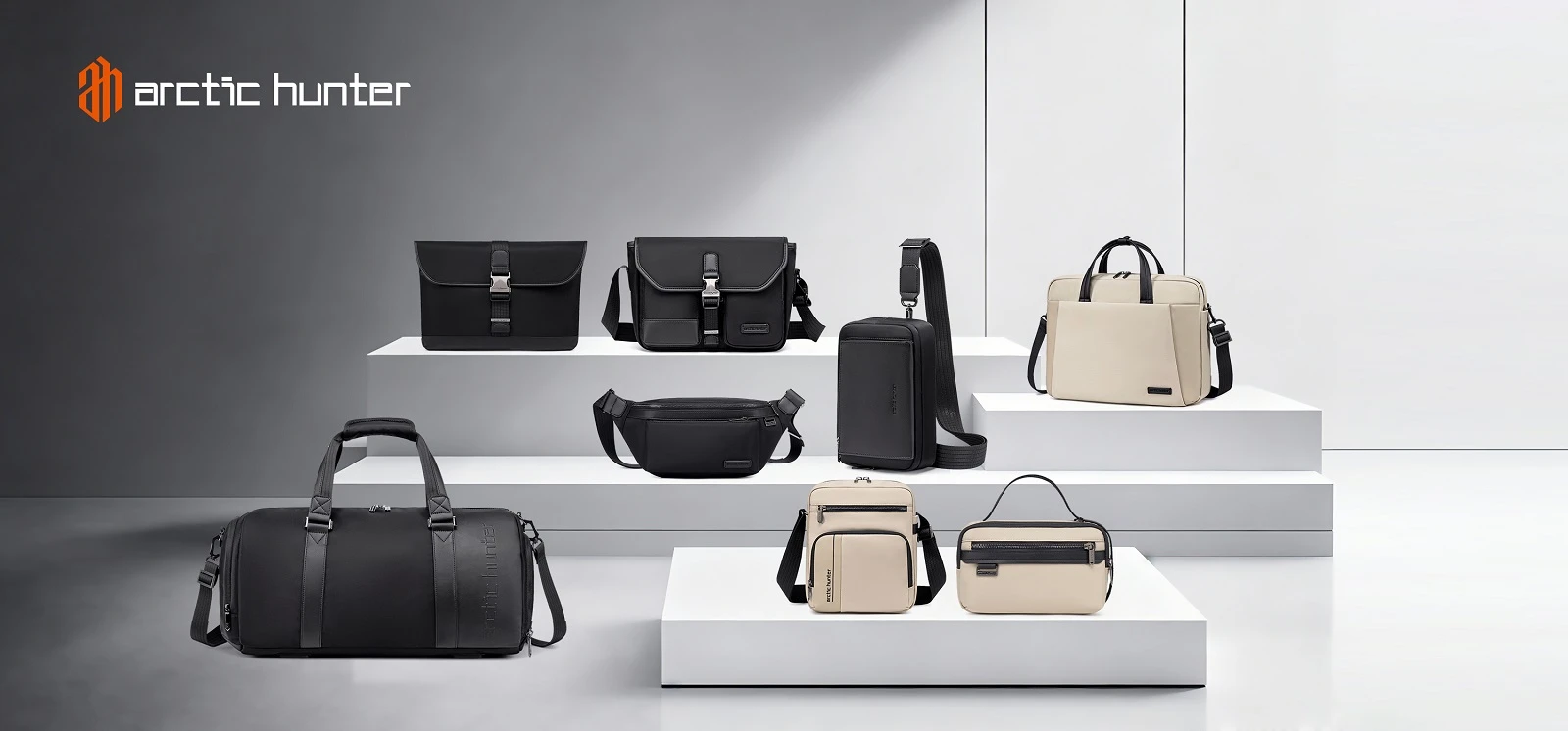
Arctic Hunter backpacks
Founded in 2009, Arctic Hunter is a trusted backpack brand and manufacturer serving distributors, retailers, and brand clients worldwide.
- Diverse Product Range
Our backpack range includes laptop, business, multi-functional, casual, camera, and anti-theft backpacks to serve different market needs.
- In-House Manufacturing and Supply Capacity
With our own manufacturing base spanning over 40,000 m², we have the production infrastructure to support our backpack manufacturing and supply operations.
- Support for Global Partners
We support our distributors with product images, videos, and other marketing materials. For businesses developing their own brands, we also offer OEM/ODM services.
Conclusion
Choosing the right backpack manufacturer requires more than comparing prices. By evaluating product quality, production capacity, order terms, and communication, you can make a more informed sourcing decision and find a partner that supports your business over the long term.
Whether you're exploring product options or discussing OEM/ODM requirements, contact Arctic Hunter to find solutions that fit your business needs.
If you're looking to expand your backpack offering with an established brand, consider becoming an Arctic Hunter distributor. Explore our distributor program to learn more about the opportunities available.