

Factory Overview
Arctic Hunter Factory
Arctic Hunter is now present in 56 countries and supported by exclusive distribution partnerships in 20 markets, with global sales exceeding RMB 100 million.
Backed by our manufacturing base in Hunan, we operate 15 self-owned factories , including two core facilities and a network of supporting plants. The total production area reaches 40,000 square meters . Our operations are equipped with more than 15 advanced production lines and supported by a workforce of approximately 650 employees. With a monthly output of up to 300,000 backpacks , we ensure consistent large-scale production and reliable delivery.
Over 15 years of development, we have strengthened our manufacturing foundation and product development capabilities, allowing us to respond efficiently to diverse market needs and support long-term partnerships.
Inside Our Factory
Our Manufacturing Strength
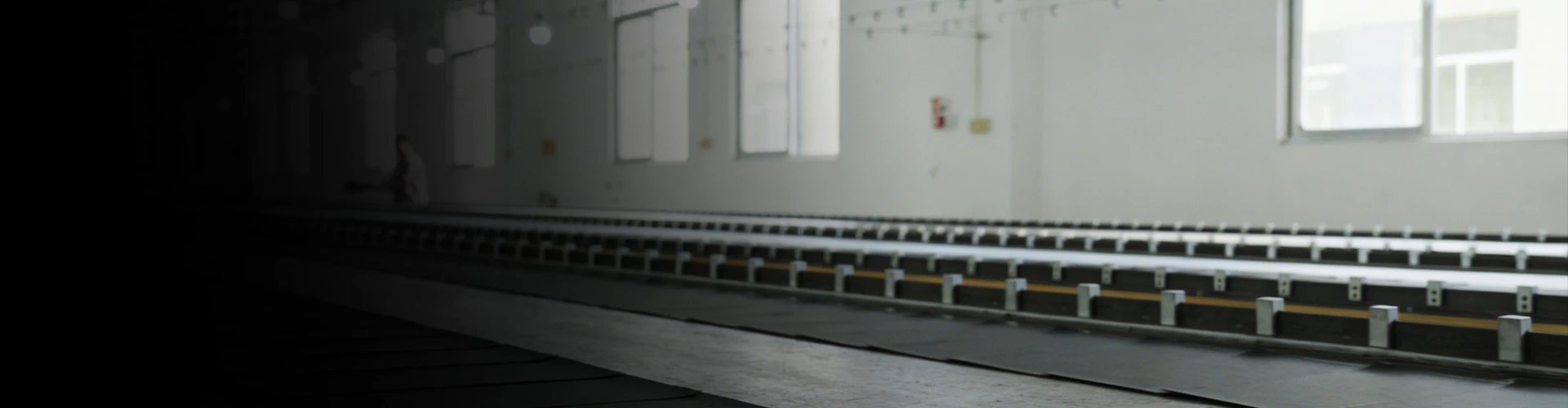
Our strength is built on large-scale production capacity, advanced facilities, and a skilled workforce. We support a wide variety of backpack styles and provide flexible OEM and ODM services to meet diverse market needs. With strict control over materials and production consistency, we ensure stable output and reliable quality for global partners. Explore our real production environment, where consistent quality and large-scale manufacturing are ensured.


Production Process
How Backpacks Are Made
Our standardized production process ensures efficiency, consistency, and reliable delivery at every stage.
- Material Preparation
- Cutting
- Sewing
- Assembly
- Quality Inspection
- Finishing & Packaging

01
Material Preparation
We carefully select and prepare high-quality materials, including fabrics, zippers, and various accessories, to ensure excellent durability and consistent quality from the very beginning.

02
Cutting
We utilize precise cutting techniques to process materials according to strict specifications, ensuring high accuracy while minimizing material waste.

03
Sewing
Our skilled workers carry out precise sewing processes, assembling individual components into their final form to ensure strong structural integrity and consistent craftsmanship.

04
Assembly
All components are carefully assembled into a complete backpack, including the lining, straps, and functional elements, ensuring proper integration and overall product integrity.

05
Quality Inspection
Every product undergoes strict inspection before moving to the next stage. We ensure consistent quality through multiple tests, including zipper, load-bearing, and manual inspection.

06
Finishing & Packaging
Finished products undergo cleaning, final shaping, and careful packaging to ensure they are delivered in excellent condition.
Quality Assurance
Certified Quality
Arctic Hunter is certified under ISO 9001 and BSCI standards. We have established a comprehensive quality management system covering the entire process, from raw material selection and production to final inspection. Supported by a dedicated quality control team, we conduct multi-stage inspections across production and finished goods, followed by systematic organization and final verification before packaging, ensuring consistent quality and attention to detail in every product.

Manual Inspection

Sustainable Materials

Sustainable Materials

Sustainable Materials
Sustainability
Commitment to Sustainability
We prioritize responsible material selection to reduce harmful substances at the source. Our products meet relevant safety standards, ensuring reliable performance. By enhancing durability and extending product lifespan, we help reduce resource waste. We continuously refine our processes and material usage to limit environmental impact and support sustainable development.