

Introduction
Selecting the right backpack styles for a retail product line is a critical strategic decision that directly impacts inventory turnover, customer satisfaction, and long-term brand positioning. Today, backpacks have evolved far beyond basic bags into essential everyday carrying solutions for modern professionals, commuters, and travelers. Relying on a single generic style is no longer sufficient to satisfy a diverse customer base with distinct functional and aesthetic expectations. Retail buyers and distributors must adopt a structured selection process based on proven product categories, core feature standards, and real-world usage scenarios. Understanding these key dynamics empowers retailers to curate a competitive inventory mix that drives consistent sales and maximizes profit margins.
Why Does a Diverse Backpack Lineup Still Have Strong Retail Potential?
For distributors and retailers, stocking a well-balanced range of backpack styles offers exceptional commercial stability and revenue growth.
Broad Demographic Coverage
Offering distinct backpack styles allows retailers to target multiple customer segments simultaneously, including corporate executives, tech professionals, daily commuters, and frequent travelers.
Higher Profit Margins & Retail Value
Specialty functional backpacks-such as executive business and expandable travel models-command higher retail price points, yielding healthier profit margins for store owners.
Year-Round Inventory Turnover
Unlike fashion-driven apparel subject to seasonal trends, functional backpacks maintain steady demand throughout the entire year for daily work, commuting, corporate purchasing, and travel.
Maintaining a multi-category product strategy protects retailers from market fluctuations while maximizing customer lifetime value and cross-selling opportunities across retail channels.
What Are the Key Backpack Styles Driving Retail Markets?
To build a resilient catalog, retail buyers must first understand the four dominant backpack styles recognized across international markets.
Executive Business Backpacks
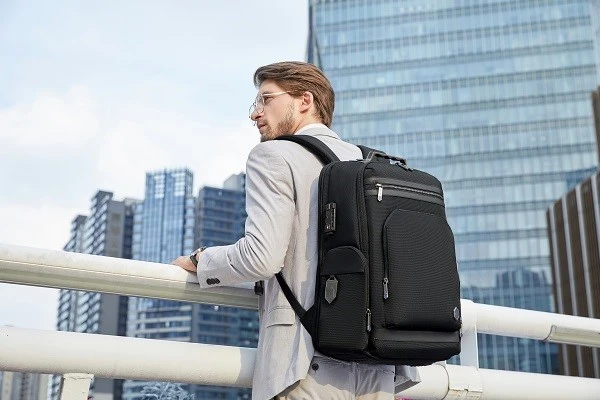
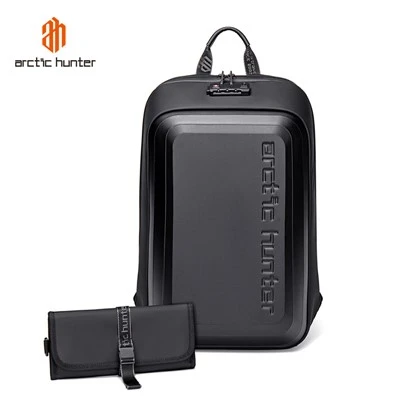
Executive business backpacks feature clean lines, structured silhouettes, and minimalist aesthetics designed to replace traditional briefcases in formal corporate settings. Built with refined materials and low-profile profiles, these bags cater to corporate professionals who require a sophisticated image during client meetings and office commutes.
Tech Commuter Backpacks
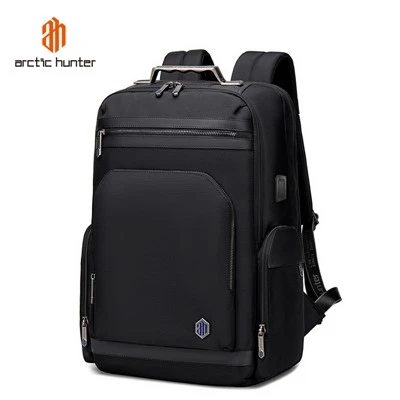
Tech commuter backpacks prioritize high-density organization and electronic device protection for daily urban commuters. These styles feature specialized storage layouts tailored for laptops, tablets, chargers, cables, and mobile accessories, keeping everything neatly compartmentalized for effortless access.
Expandable Travel Backpacks
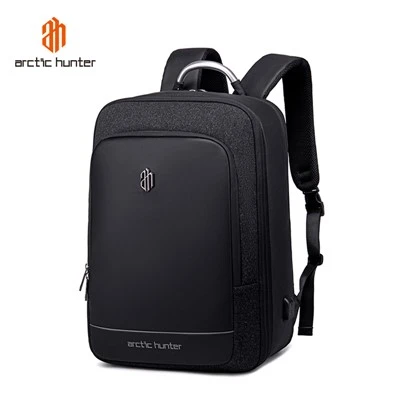
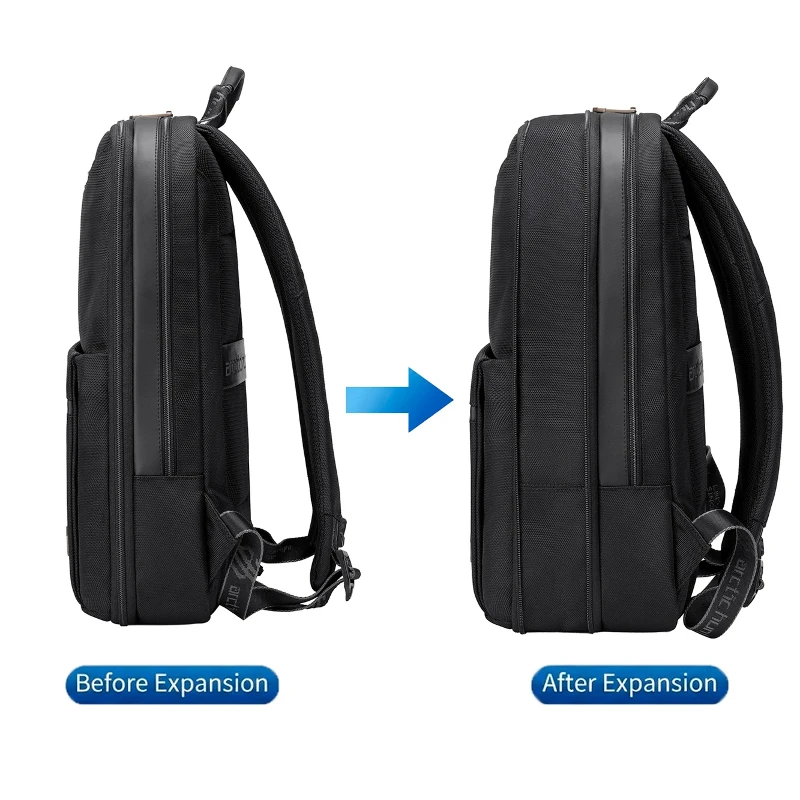
Designed for short-haul trips and weekend getaways, expandable travel backpacks feature high-capacity main compartments and luggage-style 180-degree flat openings. Built-in expansion zippers allow users to increase packing volume instantly, bridging the gap between a work backpack and a carry-on suitcase.
Anti-Theft Backpacks
Engineered for high-density urban transit and international travel, anti-theft backpacks feature hidden zipper placements, cut-resistant fabric construction, and discrete rear pockets. These security-focused designs provide peace of mind for commuters navigating crowded subways and airport terminals.
What Core Product Features Make These Backpack Styles More Competitive?
While visual styling attracts initial interest, hard product specifications and engineering determine whether a backpack delivers real competitive value on retail shelves.
Dedicated Device Protection & Smart Storage Layouts
A top-performing backpack requires a dedicated shockproof laptop sleeve padded with high-density foam, designed to accommodate standard 13-inch to 15.6-inch laptops. Paired with multi-tiered organizer pockets, this structure prevents internal items from shifting or causing device damage during transit.
Durable, Water-Resistant Materials & Heavy-Duty Hardware
Daily commuting exposes backpacks to significant wear and unpredictable weather. High-competitiveness products utilize high-density, water-repellent fabrics alongside reinforced stitching at stress points and smooth-gliding, heavy-duty zippers to ensure long-term durability and low defect rates.
Ergonomic Weight-Distribution Systems
Physical comfort is a primary purchasing factor for end consumers. Superior designs feature ergonomic S-shaped padded shoulder straps, breathable mesh back panels, and balanced weight distribution that reduces shoulder and back strain during long periods of carrying.
Travel-Ready Mobility Enhancements
Modern mobility demands practical integration across transit environments. Key functional enhancements-such as rear luggage trolley straps, hidden passport pockets, and integrated external USB charging ports-deliver essential convenience for travelers navigating busy transit hubs.
What Consumer Needs Can These Backpack Styles Address?
Translating product features into practical everyday solutions helps retailers align their inventory with real end-user demands.
Modern Office & Hybrid Work Mobility
As hybrid work models become standard, employees constantly move their workstations between home, coffee shops, and offices. Structured business and tech backpacks protect essential electronics and work files, making setting up a mobile desk effortless.
Daily Public Transit & Urban Commuting
Navigating crowded subways and buses requires quick access to essentials alongside security. Anti-theft features and intuitive outer pockets allow commuters to reach transit cards or keys quickly without compromising the safety of personal belongings.
Short-Haul Travel & Airport Efficiency
Frequent travelers demand efficient gear that eliminates airline baggage check-in delays. Expandable travel backpacks with luggage trolley straps slide easily over rolling suitcase handles, serving as ideal lightweight carry-on solutions for 2-to-3-day business trips.
Corporate Gifting & Employee Onboarding Programs
Corporations, financial firms, and tech companies regularly source premium backpacks for employee welcome packages and corporate events. Neutral, high-quality styles provide an ideal canvas for corporate branding while delivering practical everyday utility to recipients.
How Should Retailers Evaluate Backpack Styles for Their Product Line?
When procuring new inventory, retail buyers must look beyond aesthetics and evaluate a supplier's manufacturing and supply metrics.
Wholesalers and retail procurement teams should focus on four core evaluation criteria:
- Size Spectrum & SKU Compatibility: Ensure the product range covers standard device dimensions (13", 14", and 15.6") while balancing slim commuter profiles against larger travel capacities.
- Material & Construction Standards: Verify fabric water-repellency ratings, seam tensile strength, and zipper endurance testing to minimize return rates and warranty claims.
- Supply Chain Inventory & Low MOQ Options: Partner with manufacturers offering ready-stock availability and flexible minimum order quantities (MOQs) to test new styles without tying up excessive capital.
- OEM/ODM Capability & Market Protection: Select suppliers with robust custom branding capabilities, active design patent protections, and regional distribution policies that safeguard local retail margins.
Conclusion
Building a profitable backpack lineup requires balancing clear category segmentation, high-performance product features, versatile real-world usability, and a dependable manufacturing partner. By stocking a diversified portfolio of business, tech, travel, and security backpack styles, retailers can meet the exact demands of modern commuters and capture consistent market share. As a global backpack manufacturer, Arctic Hunter supports distributors and retailers worldwide with a complete portfolio of 200+ ready-stock SKUs, strict quality control, and flexible wholesale solutions tailored for regional growth. Contact us today to request our comprehensive whol