

Introduction
Backpacks serve different purposes depending on users' lifestyles, daily activities, and storage requirements. Students may prioritize lightweight designs and sufficient space for books, while office workers often look for professional appearances and laptop protection. Travelers may need larger capacities and convenient storage structures, whereas outdoor users may prefer durable materials and comfortable carrying systems. For wholesalers, importers, and retailers, understanding these differences is essential when selecting backpack styles for their target markets. Matching product features with consumer preferences can help buyers develop a more competitive backpack collection.
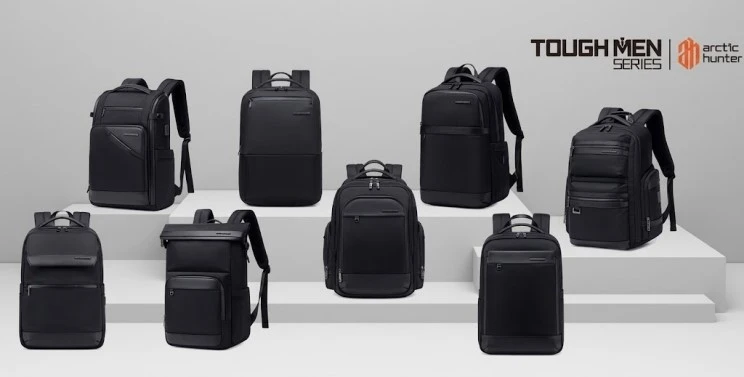
What Factors Should Buyers Consider When Choosing Backpack Styles?
Before selecting backpack styles for different customer groups, buyers should evaluate several basic product characteristics to ensure their selections match market requirements.
Usage Scenarios: Consider whether backpacks are intended for school, office commuting, business travel, outdoor activities, or everyday outings. Different scenarios require different combinations of storage capacity and functionality.
Storage Capacity and Compartment Design: Evaluate overall capacity, laptop compartments, and additional pockets. Students may need space for books, while business users require organized storage for computers, documents, and accessories.
Carrying Comfort: Pay attention to padded shoulder straps, back panel construction, and weight distribution. These features are particularly important for consumers who carry backpacks for extended periods.
Materials and Durability: Compare materials such as polyester and nylon according to their durability, weight, and water resistance. Material selection should also match the intended product positioning and selling price.
Appearance and Style: Consider colors, shapes, and exterior designs. Professional users may prefer understated appearances, while younger consumers may favor casual styles and distinctive details.
Which Backpack Styles Suit Different Customer Groups?
Different consumers have distinct expectations regarding backpack functionality, appearance, and capacity. Matching these requirements with suitable product styles helps buyers target different market segments.
Backpacks for Students and Young Consumers
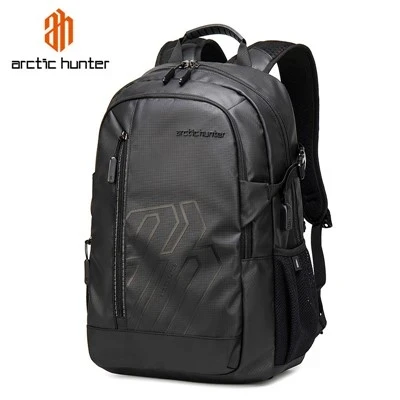
Students generally need backpacks that accommodate books, stationery, laptops, and personal belongings. Casual backpacks are suitable for this group because they combine practical storage with versatile everyday styling. Buyers should prioritize lightweight construction, multiple compartments, padded laptop sections, and comfortable shoulder straps. Simple designs and versatile colors also make these backpacks suitable for both campus activities and casual outings.
Backpacks for Office Workers and Business Users
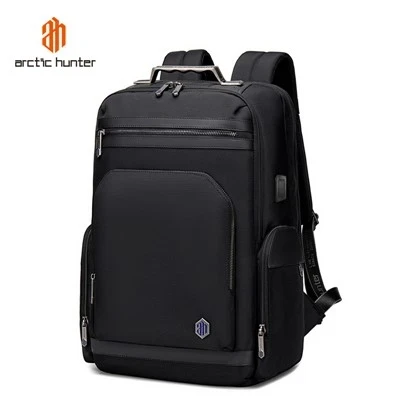
Business users typically prioritize functionality, organization, and professional appearance. Business backpacks and laptop backpacks are suitable for carrying computers, documents, chargers, and other work essentials. Dedicated laptop compartments help separate electronic devices, while multiple pockets improve storage organization. Features such as luggage straps and water-resistant materials can further improve convenience for daily commuting and short business trips.
Backpacks for Travelers and Outdoor Users
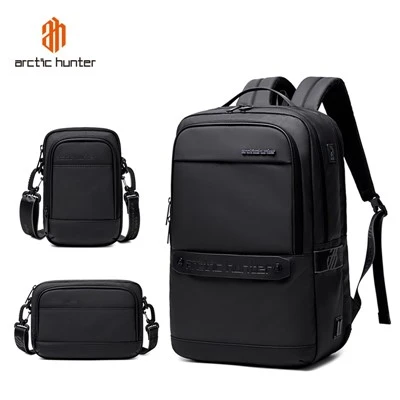
Travelers and outdoor enthusiasts generally need backpacks that offer sufficient storage space, durability, and comfortable carrying systems. Travel backpacks and multifunctional backpacks can accommodate clothing, electronic accessories, and personal belongings, while outdoor-oriented designs may emphasize lightweight construction and practical external pockets. Buyers should consider expandable compartments, reinforced materials, and adjustable shoulder straps when selecting products for these consumers.
Backpacks for Photographers and Content Creators
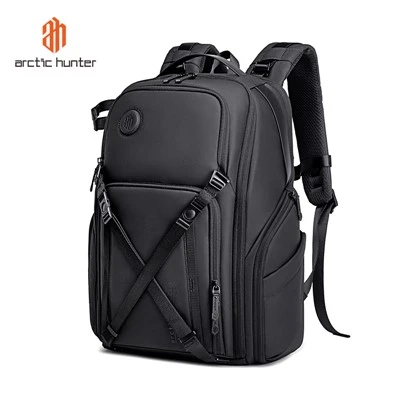
Photographers and content creators have specialized storage requirements because they frequently carry cameras, lenses, batteries, and other accessories. Camera backpacks provide organized equipment storage through padded compartments and adjustable dividers. Buyers can also consider designs with separate pockets for smaller accessories and dedicated laptop sections, allowing users to carry electronic devices alongside photography equipment.
How Can Buyers Build a Balanced Backpack Product Range?
For wholesalers and retailers, product selection should cover different consumer preferences while maintaining a reasonable balance of styles, functions, and price points.
- Cover Different Consumer Segments: Include casual, business, laptop, travel, and camera backpacks to serve multiple customer groups rather than relying on a single product category.
- Balance Basic and Functional Products: Combine everyday backpacks with models featuring specialized functions, such as padded laptop compartments, anti-theft pockets, and expandable storage. This helps buyers serve consumers with different functional requirements.
- Offer Different Capacity Options: Provide compact models for daily commuting and larger designs for travel or work equipment. Different capacities allow retailers to address varied storage requirements.
- Consider Price Positioning: Materials, construction methods, and functional configurations influence product costs. Buyers should combine entry-level, mid-range, and higher-functionality products according to their target markets.
What Backpack Features Can Improve Product Competitiveness?
Beyond choosing suitable styles, buyers should evaluate functional details that improve everyday usability and help products stand out in competitive markets.
Laptop Protection and Anti-Theft Design
Padded laptop compartments provide separate storage for electronic devices and help reduce damage from everyday impacts and friction. Meanwhile, hidden back pockets, concealed zippers, and combination locks provide additional storage security. These features can make backpacks more appealing to office workers, commuters, and travelers who frequently carry valuable belongings.
Water-Resistant Materials
Water-resistant polyester and nylon fabrics help protect backpack contents against light rain and accidental splashes. This feature adds practical value for daily commuting, travel, and outdoor activities. Buyers should distinguish between water-resistant and fully waterproof construction when evaluating product specifications to ensure that performance claims match the actual product.
Expandable and Organized Storage
Expandable structures provide additional packing space when needed, while multiple compartments help separate laptops, documents, clothing, and accessories. These designs make backpacks more adaptable to different daily and travel requirements. Buyers should consider the internal layout and accessibility of storage sections when comparing products with similar capacities.
Convenient Functional Details
Features such as USB charging access, trolley sleeves, breathable back panels, and adjustable shoulder straps improve carrying convenience. However, not every backpack needs to incorporate all these functions. Buyers should prioritize practical details according to the intended customer group and product positioning rather than adding unnecessary configurations that may increase product costs.
Conclusion
Choosing suitable backpack styles requires understanding different consumer preferences, usage scenarios, and functional requirements. From casual backpacks for students to business backpacks for professionals and specialized camera backpacks, each category serves distinct market demands. For wholesalers, importers, and retailers, combining different styles, capacities, and functional features can help create a more competitive product portfolio. Arctic Hunter offers a diverse collection covering business, laptop, multifunctional, anti-theft, casual, and camera backpacks, providing options for buyers targeting different consumer segments. Contact us to explore our backpack collections and find suitable products for your wholesale and distribution needs.